
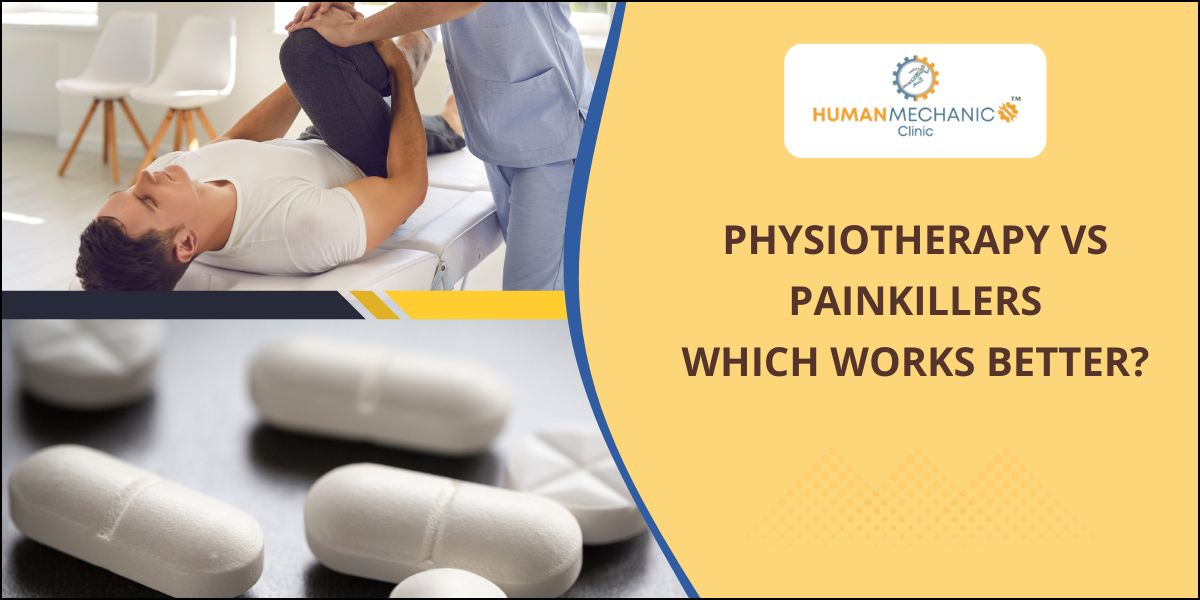
Physiotherapy vs Painkillers: Which Works Better?
When pain strikes, most people want one thing: quick relief. A tablet may seem like the easiest solution, especially after a long day of work, exercise, or household activities. But if the pain keeps returning, you may start wondering whether painkillers are actually solving the problem—or simply making it easier to ignore.
This is where physiotherapy and painkillers serve very different purposes. Painkillers can help control pain, while physiotherapy often focuses on identifying and addressing the physical factors contributing to that pain.
So, which works better? The answer depends on what is causing your pain, how long you have had it, and what your body needs to recover.
Painkillers: Fast Relief, But Usually Temporary
Painkillers are commonly used for headaches, muscle aches, back pain, joint pain and other painful conditions. They can reduce pain and inflammation, allowing you to move or rest more comfortably.
For sudden or short-term pain, medication may be useful when recommended appropriately by a healthcare professional. However, pain relief does not necessarily mean the underlying problem has been corrected.
For example, someone with recurring lower back pain may take a tablet whenever the pain becomes uncomfortable. The pain may settle temporarily, but poor posture, muscle weakness, reduced flexibility or an incorrect movement pattern may still be present.
This is why repeatedly relying on painkillers without understanding the cause may not be the best long-term approach.
Physiotherapy: Treating More Than the Pain
Physiotherapy takes a different approach. Instead of focusing only on reducing discomfort, a physiotherapist evaluates movement, strength, flexibility, posture, muscle balance and joint function to understand what may be contributing to your symptoms.
Depending on your condition, treatment may include:
- Therapeutic exercises
- Manual therapy
- Stretching and mobility exercises
- Strengthening exercises
- Posture correction
- Soft-tissue techniques
- Balance and coordination training
- Rehabilitation after injury or surgery
- Ergonomic and activity advice
The objective is not simply to make you feel better for a few hours. It is to help your body move better, function better and gradually become more resilient.
Physiotherapy vs Painkillers: What Is the Difference?
The biggest difference is their role.
Painkillers primarily manage symptoms, whereas physiotherapy can address physical contributors to the problem.
Imagine a person who develops neck pain from prolonged computer use. A painkiller may reduce the discomfort temporarily. Physiotherapy, on the other hand, may assess the person’s posture, neck mobility, shoulder strength and work setup, followed by exercises and other treatments designed to improve these factors.
That does not mean physiotherapy is always a replacement for medication. In some situations, medication may be appropriate, particularly for acute pain or specific medical conditions. Physiotherapy and medical treatment can also be used together when clinically appropriate.
The right choice depends on the diagnosis and individual circumstances.
When Is Physiotherapy a Better Long-Term Option?
Physiotherapy can be particularly useful when pain is recurrent, movement-related or associated with stiffness, weakness or reduced function.
People often seek physiotherapy for:
- Chronic back and neck pain
- Shoulder pain
- Knee pain
- Sports injuries
- Muscle strains
- Joint stiffness
- Post-surgical rehabilitation
- Postural problems
- Work-related musculoskeletal pain
- Mobility and balance issues
One of the biggest benefits is that physiotherapy can teach you how to manage your body beyond the treatment session. A personalized exercise program can help improve strength and movement while reducing the risk of recurring problems.
Can You Take Painkillers and Attend Physiotherapy?
In some cases, yes. These approaches are not necessarily competitors.
A person experiencing significant pain may be advised by their doctor to use appropriate medication while also undergoing physiotherapy. Reducing pain can sometimes make it easier to participate in rehabilitation exercises.
However, medication should be taken according to professional medical advice, especially if pain is persistent or if you have other medical conditions or take other medicines.
Physiotherapy should also begin with an appropriate assessment so the treatment matches the actual problem.
The Real Question: What Is Causing Your Pain?
Instead of asking only, “How can I stop this pain?”, it may be more useful to ask, “Why does this pain keep happening?”
If pain is caused by poor movement mechanics, muscle weakness, stiffness, an old injury or an activity-related problem, simply masking the symptoms may not address the underlying issue.
A physiotherapist can assess your condition and create a treatment plan based on your specific needs. If symptoms suggest a condition requiring medical evaluation, a physiotherapist can also recommend appropriate medical consultation.
Visit Human Mechanic Clinic – Best Physiotherapy Clinic in Pune
If you are looking for a physiotherapy clinic in Pune for pain management, rehabilitation or movement-related problems, Human Mechanic Clinic – Physiotherapy & Chiropractic focuses on personalized care designed around the individual’s condition and functional goals. With an emphasis on physiotherapy, chiropractic care and rehabilitation, the clinic can help patients understand their movement-related concerns and work toward better mobility and everyday function.
Frequently Asked Questions
1. Is physiotherapy better than painkillers?
For many ongoing musculoskeletal problems, physiotherapy can provide longer-term benefits by addressing contributing physical factors. Medication may still be appropriate in some cases.
2. Can physiotherapy reduce pain without medicines?
Yes. Exercises, manual therapy, mobility work and other physiotherapy techniques may help reduce pain and improve movement.
3. Are painkillers a permanent solution for back pain?
Usually, painkillers manage symptoms rather than correct underlying movement or physical problems.
4. How long does physiotherapy take to work?
It varies depending on the condition, severity and individual response. Some people notice improvement within a few sessions, while others require longer rehabilitation.
5. When should I see a physiotherapist for pain?
Consider an assessment if pain keeps returning, affects movement, lasts longer than expected, or interferes with daily activities.