
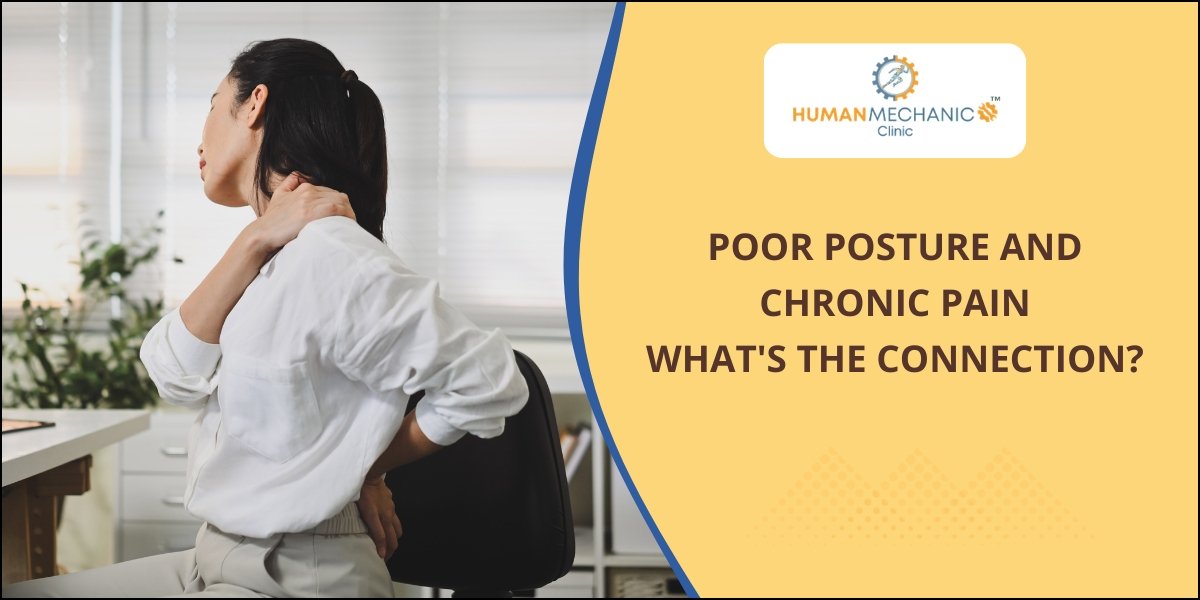
Poor Posture and Chronic Pain: What’s the Connection?
In today’s digital world, many people spend hours sitting at desks, working on computers, or looking down at their smartphones. While these habits may seem harmless, they often contribute to poor posture, which can gradually lead to chronic pain and discomfort. Understanding the connection between posture and long-term pain is essential for maintaining a healthy musculoskeletal system and improving overall quality of life.
What Is Poor Posture?
Posture refers to the way you hold your body while standing, sitting, or moving. Good posture keeps your bones, joints, and muscles properly aligned, reducing unnecessary strain on the body. Poor posture occurs when the body’s natural alignment is disrupted, causing certain muscles and joints to work harder than they should.
Common examples of poor posture include:
- Slouching while sitting
- Rounded shoulders
- Forward head posture (“tech neck”)
- Excessive arching of the lower back
- Leaning to one side while standing
Over time, these postural imbalances can place excessive stress on muscles, ligaments, and joints, leading to chronic pain.
How Poor Posture Leads to Chronic Pain
1. Increased Muscle Strain
When the body is not properly aligned, certain muscles must continuously work harder to support the body’s weight. This constant strain can lead to muscle fatigue, tightness, and persistent pain.
For example, forward head posture places additional pressure on the neck muscles. The farther the head moves forward, the more weight the neck must support, increasing the risk of neck pain and stiffness.
2. Joint Stress and Misalignment
Poor posture alters the distribution of forces across joints. Over time, this can cause abnormal wear and tear on the spine, hips, knees, and shoulders. Joint misalignment may contribute to inflammation, reduced mobility, and chronic discomfort.
3. Spinal Problems
The spine relies on proper alignment to function efficiently. Poor posture can increase pressure on spinal discs and surrounding structures, potentially leading to:
- Herniated discs
- Degenerative disc disease
- Sciatica
- Chronic back pain
People who sit for prolonged periods with a rounded back are particularly vulnerable to spinal issues.
4. Reduced Blood Circulation
Slouched positions can compress blood vessels and reduce circulation to muscles and tissues. Inadequate blood flow limits oxygen and nutrient delivery, which may contribute to fatigue, stiffness, and delayed healing.
5. Nerve Compression
Postural imbalances can create pressure on nerves, resulting in symptoms such as numbness, tingling, burning sensations, or radiating pain. Conditions like carpal tunnel syndrome and cervical radiculopathy may be aggravated by poor posture.
Common Types of Pain Associated with Poor Posture
Neck Pain
Forward head posture caused by frequent smartphone and computer use is one of the leading causes of chronic neck pain. Patients often experience stiffness, headaches, and reduced neck mobility.
Shoulder Pain
Rounded shoulders place excessive stress on shoulder muscles and joints, increasing the risk of muscle tension and impingement syndromes.
Upper Back Pain
Poor sitting habits can strain the muscles between the shoulder blades, leading to persistent upper back discomfort.
Lower Back Pain
One of the most common consequences of poor posture is lower back pain. Sitting for long periods with inadequate lumbar support can weaken core muscles and increase stress on the lumbar spine.
Hip and Knee Pain
Postural imbalances affect the body’s movement patterns, placing extra pressure on the hips and knees during walking and standing.
Warning Signs Your Posture May Be Causing Pain
You may be experiencing posture-related pain if you notice:
- Frequent neck or back pain
- Muscle stiffness after sitting
- Recurring headaches
- Rounded shoulders
- Difficulty standing upright
- Uneven shoulder or hip levels
- Fatigue during routine activities
Early intervention can help prevent minor posture issues from developing into chronic pain conditions.
How to Improve Posture and Reduce Chronic Pain
Maintain an Ergonomic Workspace
Ensure your workstation supports proper alignment:
- Keep your computer screen at eye level
- Use a chair with lumbar support
- Keep feet flat on the floor
- Position elbows at a 90-degree angle
Stay Active
Regular movement helps prevent muscle stiffness and promotes better posture. Take short breaks every 30–60 minutes if you work at a desk.
Strengthen Core Muscles
A strong core supports the spine and improves overall body alignment. Exercises such as planks, bridges, and Pilates can be beneficial.
Stretch Tight Muscles
Stretching the chest, neck, hip flexors, and hamstrings can help correct common postural imbalances.
Seek Professional Assessment
Persistent pain often requires a comprehensive evaluation. Physiotherapists and posture correction specialists can identify underlying issues and create a personalized treatment plan.
The Importance of Early Posture Correction
Ignoring poor posture can allow small issues to become long-term problems. Early posture correction can help reduce pain, improve mobility, enhance athletic performance, and prevent future musculoskeletal complications. By addressing postural imbalances early, individuals can experience significant improvements in comfort, function, and overall well-being.
Visit Human Mechanic Clinic for Posture Correction Treatment in Pune
At Human Mechanic Clinic, Pune, our posture correction specialists focus on identifying the root causes of postural imbalances and chronic pain. Through comprehensive posture assessments, advanced physiotherapy techniques, corrective exercises, ergonomic guidance, and personalized rehabilitation programs, we help patients improve body alignment, reduce pain, and restore optimal movement. Whether you’re struggling with neck pain, back pain, rounded shoulders, or posture-related discomfort caused by prolonged sitting and screen use, Human Mechanic Clinic offers evidence-based posture correction treatment designed to enhance long-term musculoskeletal health and improve your quality of life