Physiotherapy Treatment
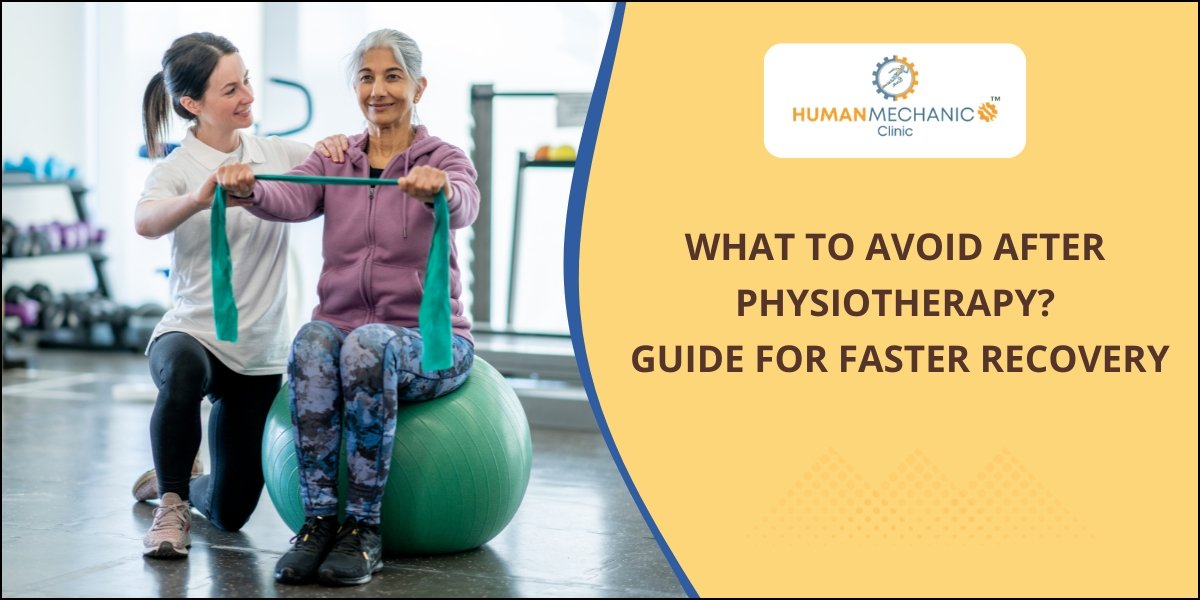
What to avoid after physiotherapy?

What to Avoid After Physiotherapy? A Simple Guide for Faster Recovery Have you ever felt relieved after a physiotherapy session, only to notice that your pain returned the next day? You’re not alone. Meet Raj, a 42-year-old office worker who had been struggling with lower back pain for months. After his first physiotherapy session, he felt much better and decided to spend the evening lifting heavy boxes while cleaning his garage. The next morning, his pain was worse than before. The problem wasn’t the treatment—it was what he did after it. Physiotherapy helps your muscles, joints, and tissues heal, but your body also needs the right care afterward. Knowing what to avoid after physiotherapy can make a significant difference in how quickly and effectively you recover. Why Post-Physiotherapy Care Matters Physiotherapy is designed to improve movement, reduce pain, and restore function. During treatment, your muscles and joints are gently mobilized, stretched, or strengthened. After the session, your body begins the healing process. Ignoring your physiotherapist’s advice or returning to unhealthy habits too soon can delay recovery and even increase the risk of re-injury. 1. Avoid Heavy Lifting One of the biggest mistakes people make is lifting heavy objects immediately after treatment. Your muscles may feel better, but they are still recovering. Heavy lifting places unnecessary stress on healing tissues. Instead: Ask for help with heavy objects. Follow your physiotherapist’s lifting guidelines. Resume weight training only when advised. 2. Don’t Skip Your Home Exercises Many patients believe that one physiotherapy session is enough. Unfortunately, skipping prescribed exercises can slow your recovery. Home exercises are an essential part of treatment because they: Improve flexibility Build muscle strength Prevent stiffness Reduce pain in the long term Even spending 10–15 minutes daily can make a noticeable difference. 3. Avoid Sitting or Lying Down for Too Long While rest is important, excessive rest can cause muscles to become stiff and weak. If your physiotherapist recommends movement, try to: Walk for a few minutes every hour. Stretch gently. Maintain good posture while sitting. Small movements help improve blood circulation and support healing. 4. Don’t Ignore Pain A little soreness after physiotherapy is normal, especially after your first few sessions. However, severe or increasing pain is not. Contact your physiotherapist if you experience: Sharp pain Swelling Numbness Tingling Difficulty moving the treated area Early communication helps prevent complications. 5. Avoid High-Impact Activities Too Soon Many people return to running, jumping, sports, or gym workouts as soon as they start feeling better. This can overload healing muscles and joints. Avoid activities like: Running Football Cricket Heavy gym workouts High-intensity interval training (HIIT) Wait until your physiotherapist confirms that your body is ready. 6. Don’t Ignore Proper Hydration Manual therapy and exercise can leave your muscles needing extra hydration. Drinking enough water helps: Reduce muscle soreness Improve circulation Support tissue healing Aim for plenty of water throughout the day unless your doctor has advised otherwise. 7. Avoid Poor Posture Bad posture is one of the leading reasons pain returns after physiotherapy. Whether you work at a desk or drive for long hours: Keep your back straight. Adjust your chair properly. Avoid slouching. Take regular posture breaks. Maintaining good posture protects your spine and joints. 8. Don’t Miss Follow-Up Sessions Some patients stop treatment as soon as they feel less pain. Pain relief does not always mean complete recovery. Your physiotherapist monitors: Muscle strength Joint mobility Balance Functional movement Completing the recommended treatment plan helps reduce the chances of future injuries. Simple Tips for Faster Recovery To get the best results from physiotherapy: Follow your exercise routine regularly. Eat a healthy, protein-rich diet. Get enough sleep. Stay active without overdoing it. Listen to your body’s signals. Keep regular follow-up appointments. Recovery is a gradual process, and consistency is the key. When Should You Contact Your Physiotherapist? Seek medical advice if you notice: Severe swelling Persistent pain Fever after treatment Loss of movement Sudden weakness Difficulty walking Prompt evaluation ensures any issues are addressed early. Why Choose Human Mechanic Clinic? If you’re looking for expert rehabilitation and personalized treatment, Human Mechanic Clinic – Best Physiotherapy Center in Pune offers evidence-based physiotherapy for people of all ages. Their experienced physiotherapists create customized treatment plans for conditions such as back pain, neck pain, sports injuries, arthritis, post-surgical rehabilitation, and joint problems.

Physio for Knee Osteoarthritis
Physiotherapy for Knee Osteoarthritis: Can You Avoid Surgery?.

Physiotherapy for Knee Osteoarthritis: Complete Guide Knee pain can slowly take over your daily life—making it difficult to walk, climb stairs, or even sit comfortably. One of the most common causes of long-term knee pain is knee osteoarthritis (OA), a condition where the protective cartilage in the knee wears down over time. The good news? Surgery is not always the first or only option. With the right physiotherapy approach, many people can reduce pain, improve mobility, and delay—or even avoid—surgery. What is Knee Osteoarthritis? Knee osteoarthritis is a degenerative joint condition where the cartilage cushioning your knee gradually breaks down. This leads to: Pain and stiffness Swelling Reduced flexibility Difficulty in walking or standing It is commonly seen in people above 40, but can also affect younger individuals due to injury, obesity, or lifestyle factors. Can Physiotherapy Help Avoid Surgery? Yes, in many cases, physiotherapy plays a key role in managing knee osteoarthritis without surgery. While it may not completely reverse the condition, it can significantly improve quality of life. Here’s how physiotherapy helps: 1. Strengthens Supporting Muscles Strong muscles around the knee (especially the quadriceps) help reduce pressure on the joint. 2. Improves Joint Mobility Targeted exercises help increase flexibility and reduce stiffness. 3. Reduces Pain Naturally Manual therapy, stretching, and modalities like heat or ultrasound can ease discomfort. 4. Corrects Movement Patterns Poor posture or walking style can worsen knee pain. Physiotherapy helps correct these habits. 5. Delays Disease Progression Consistent therapy can slow down the worsening of osteoarthritis. When is Surgery Needed? While physiotherapy is highly effective, surgery may be considered if: Pain is severe and constant Daily activities are highly restricted There is significant joint damage Non-surgical treatments no longer provide relief Even in such cases, physiotherapy before and after surgery is essential for better recovery. Best Physiotherapy Treatments for Knee OA A personalized plan may include: Strengthening exercises (quad sets, leg raises) Stretching exercises Manual therapy Electrotherapy (TENS, ultrasound) Weight management guidance Gait and posture correction Consistency is key—regular sessions and home exercises bring the best results. Lifestyle Tips to Support Knee Health Maintain a healthy weight Avoid prolonged sitting or standing Use proper footwear Stay physically active (walking, cycling, swimming) Avoid high-impact activities if painful Knee osteoarthritis doesn’t always mean surgery. With the right physiotherapy care, many people can manage pain effectively, stay active, and delay surgical intervention. Early treatment is the key—don’t ignore persistent knee pain. About Human Mechanic Clinic – Top Physiotherapy Clinic in Pune Human Mechanic Clinic is known for providing advanced physiotherapy care in Pune for musculoskeletal conditions, including knee osteoarthritis. The clinic focuses on non-surgical treatment approaches, combining modern techniques with personalized rehabilitation plans to help patients regain mobility and live pain-free lives. About Dr. Pravin Patil – Leading Chiropractor in Pune Dr. Pravin Patil is an experienced physiotherapist and chiropractor in Pune specializing in treating joint pain, spine issues, and sports injuries. He focuses on understanding each patient’s problem carefully, creating personalized treatment plans, and helping them recover fully through physiotherapy and simple lifestyle changes. Visit : Dr. Pravin Patil – Physiotherapist in Hadapsar | Chiropractor in Hadapsar Address : Office No. 401 Gandharv Capital, Bhosale Nagar, Hadapsar, Pune, Maharashtra 411028 Contact Number : +91 7387411009 FAQs 1. Can physiotherapy completely cure knee osteoarthritis? No, but it can significantly reduce pain and improve function. 2. How long does physiotherapy take to show results? Most patients notice improvement within 4–6 weeks with regular sessions. 3. Is exercise safe for knee osteoarthritis? Yes, when done correctly under guidance, exercise is very beneficial. 4. Can I avoid knee replacement surgery? Many patients can delay or avoid surgery with proper physiotherapy and lifestyle changes. 5. Is physiotherapy painful? Some discomfort may occur initially, but it should not be severely painful.

Back pain Physiotherapy
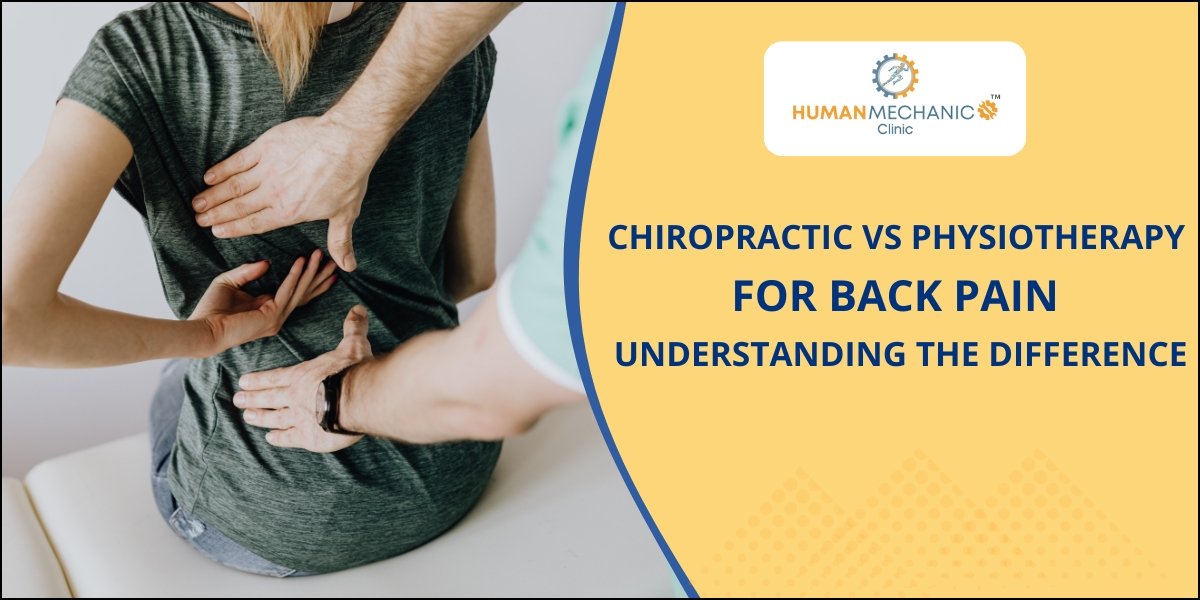
Chiropractic vs. Physiotherapy: Which one do you actually need for back pain?

Chiropractic or Physiotherapy: Which Treatment Is Better for Back Pain? Struggling with back pain can be frustrating and debilitating. You want relief, but the world of musculoskeletal care offers multiple paths, primarily chiropractic and physiotherapy. If you’ve found yourself searching “should I see a chiropractor or a physiotherapist for back pain?”, you’re not alone. This guide breaks down the key differences, philosophies, and ideal scenarios for each, helping you make an informed decision for your spine health. Understanding the Core Philosophies At its heart, chiropractic care focuses on the relationship between the spine’s alignment and the function of the nervous system. Chiropractors believe that misalignments (subluxations) can interfere with nerve signals and cause pain or dysfunction elsewhere in the body. Treatment is heavily centered on manual spinal adjustments or manipulations to correct these alignments and restore proper nerve flow. Physiotherapy (or Physical Therapy), on the other hand, takes a broader rehabilitative approach. It aims to restore movement, strength, and function. Physiotherapists assess the entire musculoskeletal system, identifying weak muscles, poor movement patterns, and biomechanical issues that contribute to pain. Treatment is often a combination of hands-on therapy, targeted exercises, education, and modalities like ultrasound or electrical stimulation. Key Differences When Might Chiropractic Be the Right Choice? Consider consulting a chiropractor if your back pain: Seems related to a specific joint misalignment or “being out of place.” Is acute (recent onset) from an incident like lifting improperly. Involves sharp, localized pain that may radiate (like sciatica) from a suspected nerve impingement. Has provided you relief from spinal adjustments in the past. You are seeking primarily manual, hands-on adjustment techniques. When Might Physiotherapy Be the Right Choice? Consider consulting a physiotherapist if your back pain: Is chronic (long-lasting) or recurrent. Follows an injury, surgery, or a specific medical condition. Is accompanied by stiffness, muscle weakness, or reduced mobility. Seems related to poor posture, repetitive strain, or weak core muscles. You want to understand the “why” behind your pain and learn exercises to manage and prevent it long-term. Finding the Right Care for Back Pain in Pune Seeking expert, personalized care for back pain in Pune. At Human Mechanic Clinic, under the expert guidance of Dr. Pravin Patil – Top Chiropractor in Pune patients receive complete care that blends the precise. Human Mechanic Clinic recognized as a leading physiotherapy clinic in Pune and home to one of the city’s top chiropractic experts, the clinic specializes in diagnosing the root cause of body pain. For those searching for the best chiropractor in Pune or a sports injury specialist in Pune who understands the demands of an active lifestyle, Dr. Pravin Patil at Human Mechanic Clinic provides a trusted, evidence-based path to recovery. Back Pain – Frequently Asked Questions 1. Which is better for sciatica: chiropractor or physio? Both can be effective. Chiropractors often address the spinal joint source of nerve compression, while physiotherapists focus on relieving pressure and strengthening supportive muscles. A combined approach is frequently ideal. 2. Do chiropractors or physiotherapists give exercises? Providing exercises is a core component of physiotherapy. While some chiropractors do prescribe rehab exercises, it is more central and extensive in physiotherapy treatment plans. 3. Can a physiotherapist perform chiropractic adjustments? Some physiotherapists are trained in spinal manipulation techniques similar to chiropractic adjustments. However, the specific philosophy and primary focus of the assessment differ between the professions. 4. Is chiropractic or physio better for lower back pain? For acute, joint-related pain, chiropractic may offer faster relief. For chronic pain, weakness, or post-injury rehab, physiotherapy is often more comprehensive. The best choice depends on your specific diagnosis. 5. Should I see a doctor before a chiropractor or physio? It’s advisable, especially for severe, sudden, or unexplained back pain, to rule out serious medical conditions. However, in many regions, you can consult a chiropractor or physiotherapist directly without a doctor’s referral.

physiotherapy in winter
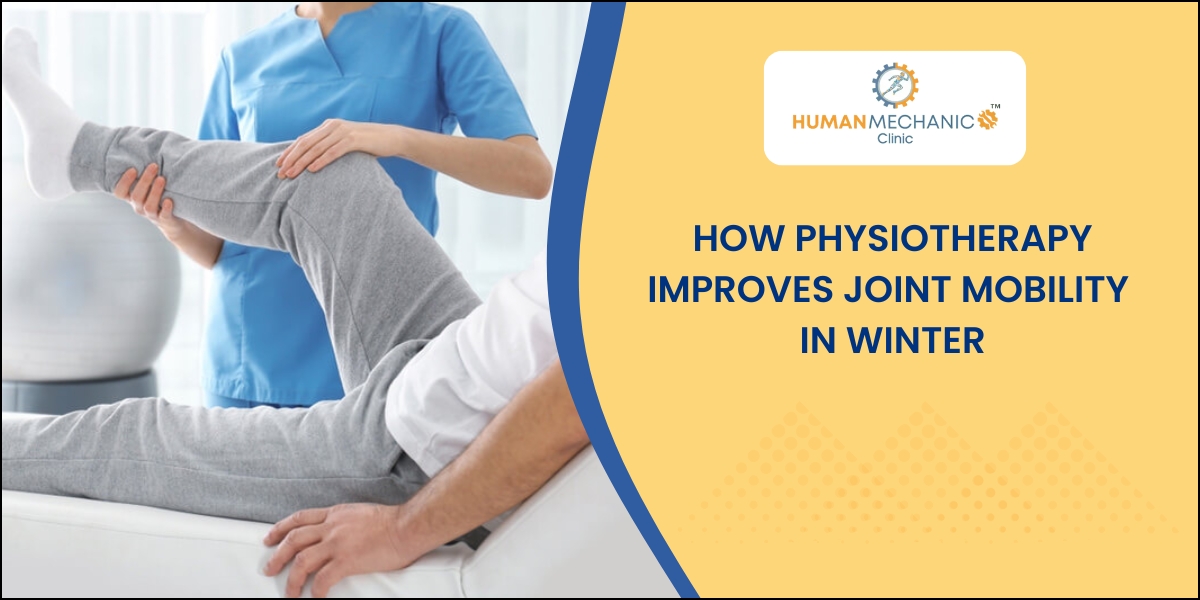
How Physiotherapy Helps Manage Joint Pain During Winters

Winter Joint Care: Benefits of Physiotherapy As temperatures drop, many individuals experience a noticeable increase in joint pain and stiffness. Cold weather can exacerbate conditions like arthritis, old injuries, and general musculoskeletal discomfort. Physiotherapy offers a proactive and effective approach to managing these winter-related aches, helping you stay active and comfortable throughout the season. This blog explores the reasons behind increased joint pain in winter and how targeted physiotherapy interventions can provide relief and improve your quality of life. Why Does Joint Pain Worsen in Winter? Several factors contribute to increased joint discomfort during colder months. Cold temperatures can cause muscles to contract and tighten, leading to stiffness and reduced flexibility. Barometric pressure changes can make tissues expand, putting pressure on nerves and joints. People also tend to be less active in winter, which can weaken supporting muscles and reduce joint lubrication. Additionally, conditions like arthritis are particularly sensitive to these environmental changes. Understanding this connection is the first step toward effective management. The Role of Physiotherapy in Winter Joint Care Physiotherapy addresses winter joint pain through a multi-faceted approach tailored to individual needs. A registered physiotherapist can: Design Personalized Exercise Programs: To strengthen muscles around joints, improve flexibility, and maintain range of motion, all of which stabilize and protect joints. Apply Modalities: Such as therapeutic heat, ultrasound, or TENS (Transcutaneous Electrical Nerve Stimulation) to reduce pain, ease muscle spasms, and improve circulation. Provide Manual Therapy: Hands-on techniques to mobilize stiff joints, release tight muscles, and improve tissue elasticity. Offer Education and Advice: On posture, ergonomics, activity modification, and home management strategies to empower you to manage your symptoms daily. By addressing the root causes of pain and not just the symptoms, physiotherapy helps build resilience against the seasonal triggers of joint discomfort. Key Physiotherapy Strategies for Winter Thermotherapy: The application of heat packs or paraffin wax baths can be incredibly soothing. Heat helps dilate blood vessels, increasing blood flow to stiff areas, relaxing muscles, and reducing pain perception before starting exercises. Indoor Exercise Regimen: A physiotherapist will create a safe, effective indoor exercise plan focusing on low-impact activities like stretching, strengthening with resistance bands, and stability exercises to keep joints mobile without undue stress. Joint Protection Techniques: Learning proper body mechanics for daily tasks (like getting out of a car or walking on slippery surfaces) can prevent flare-ups and protect vulnerable joints. Pain Management Education: Understanding pain cycles and learning pacing strategies helps you stay active within comfortable limits, preventing the “boom-and-bust” cycle of overactivity followed by prolonged rest. Tips to Stay Ahead of the Pain Stay Warm: Dress in layers, use heated blankets, and keep your living space comfortably warm. Warm baths or showers in the morning can help loosen stiff joints. Keep Moving: Avoid prolonged sitting or inactivity. Set reminders to get up, stretch, and walk around throughout the day. Stay Hydrated: Drinking enough water is crucial for maintaining the health of cartilage and synovial fluid, which cushions joints. Listen to Your Body: Adjust your activities based on your pain levels, but try to maintain gentle movement. Plan Ahead: If you have a history of winter aches, consider starting physiotherapy in the late autumn to build strength and resilience before the coldest weather sets in. Winter joint pain doesn’t have to be an inevitable burden. With the guidance of a skilled physiotherapist, you can develop a personalized plan to manage stiffness, reduce pain, and maintain your activity levels all season long. By focusing on movement, strength, and smart management strategies, physiotherapy empowers you to take control of your musculoskeletal health and enjoy the winter months with greater comfort and confidence. Human Mechanic Clinic – Best Physiotherapy Center in Pune Seeking expert care to combat winter joint pain, Human Mechanic Clinic stands out as a premier physiotherapy center in Pune. Our team of highly skilled physiotherapists specializes in creating evidence-based, personalized treatment plans that address the root cause of pain, not just the symptoms. Utilizing advanced techniques like manual therapy, customized exercise programming, and modern electro-physiotherapy modalities, the clinic is dedicated to helping patients restore function, improve mobility, and manage pain effectively throughout the winter season and beyond. With a strong focus on patient education and holistic recovery, Human Mechanic Clinic is committed to being your trusted partner in achieving lasting musculoskeletal health and an active lifestyle. Frequently Asked Questions 1. Why do my joints hurt more in winter? Cold weather can cause muscles and tissues to tighten and contract, leading to stiffness. Changes in barometric pressure may also expand tissues, increasing pressure on joints and nerves, especially for those with arthritis. 2. Can physiotherapy help with arthritis pain in cold weather? Yes. Physiotherapy helps arthritis pain by prescribing exercises to strengthen supporting muscles, using manual therapy to improve joint mobility, and applying heat or other modalities to reduce stiffness and pain during winter. 3. What are the best exercises for joint pain in winter? Low-impact indoor exercises are best, such as stretching, swimming in a heated pool, walking indoors, and specific strengthening exercises (like leg lifts or gentle yoga) prescribed by a physiotherapist to maintain mobility without strain. 4. How can I prevent knee pain in winter? Keep your knees warm with thermal wear, maintain a regular routine of strengthening exercises for your thighs and calves, avoid sudden intense activity on cold joints, and warm up thoroughly before any physical activity. 5. Does heat or cold therapy work better for winter joint pain? For chronic stiffness and arthritis pain exacerbated by cold, heat therapy (warm packs, baths) is generally better as it relaxes muscles and improves circulation. Use cold therapy (ice packs) for acute inflammation or new injuries. A physiotherapist can advise the best approach.

Physiotherapy during pregnancy - safe or not
Is Physiotherapy Safe During Pregnancy?

Physiotherapy During Pregnancy: Is It Safe? Pregnancy is a beautiful and transformative experience, but it also brings significant physical changes that can lead to discomfort and pain. As your body adapts to support your growing baby, you might experience lower back pain, pelvic girdle pain, sciatica, and postural changes. A common and crucial question many expectant asks: Is physiotherapy safe during pregnancy? The resounding answer from healthcare professionals is yes, physiotherapy is not only safe but highly recommended during pregnancy. When performed by a qualified and experienced physiotherapist, it is a safe, drug-free way to manage pain, stay active, and prepare your body for labor and delivery. How Can Physiotherapy Help During Pregnancy? A prenatal physiotherapy program is tailored to your specific needs and trimester. It focuses on providing relief and building strength safely. Key benefits include: Managing Musculoskeletal Pain: Physiotherapists use gentle manual therapy, safe stretches, and strengthening exercises to alleviate common aches in the back, pelvis, neck, and joints. Addressing Pelvic Girdle Pain (PGP): This is a common issue where the pelvic joints become unstable. Specific exercises and support strategies can provide significant relief. Improving Posture: As your baby bump grows, your center of gravity shifts. Physiotherapy helps correct your posture to reduce strain on your spine and muscles. Preparing for Labor: Physiotherapists can teach you birthing positions, relaxation techniques, and perineal massage to prepare your body for a smoother delivery. Preventing and Managing Incontinence: Pregnancy can weaken pelvic floor muscles. Targeted pelvic floor exercises (Kegels) help prevent and treat urinary incontinence. What Does Safe Prenatal Physiotherapy Involve? Safety is the top priority. A reputable clinic will: Conduct a Thorough Assessment: Your physiotherapist will review your medical and obstetric history before creating a plan. Use Pregnancy-Safe Techniques: They will avoid certain positions (like lying flat on your back after the first trimester) and use modalities that are proven safe. Focus on Core and Pelvic Floor: They will guide you on safely engaging your deep core muscles and pelvic floor without causing diastasis recti (abdominal separation). Provide Postpartum Care: Physiotherapy is equally important after delivery to help your body recover, heal abdominal separation, and restore pelvic floor function. Finding the Right Physiotherapist in Pune If you are seeking physiotherapy in Pune, look for a clinic with specialists in prenatal and postpartum care. Human Mechanic Clinic – Top Physiotherapy Clinic in Pune offers expert care for expectant and new mothers, providing personalized treatment plans to ensure a comfortable and healthy pregnancy journey. – Hadapsar Clinic Address – Office No, 401 Gandharv Capital, Bhosale Nagar, Hadapsar, Pune, Maharashtra 411028 – Koregaon Park Clinic Address – Building no.1, Gera Gardens, Flat no.210, near Blue Diamond Hotel, Koregaon Park, Pune, Maharashtra 411001 – Human Mechanic Clinic Hadapsar Contact Number : +91 7387411009 – Human Mechanic Clinic Koregaon Park Contact Number : +91 8956699060 Frequently Asked Questions (FAQs) 1. When should I start physiotherapy during pregnancy? You can start as soon as you experience pain or discomfort, or proactively from the second trimester to build strength and prevent issues. Always consult your gynecologist first. 2. What are the best physiotherapy exercises for pregnancy? Safe exercises include prenatal yoga, Pilates, walking, swimming, and specific stretches and strengthening moves for the back, glutes, and pelvic floor, all prescribed by a physiotherapist. 3. Can physiotherapy help with pregnancy-related sciatica? Yes. Physiotherapy can effectively manage sciatic nerve pain through targeted stretches, manual therapy, and posture correction to relieve pressure on the nerve. 4. Is pelvic floor physiotherapy safe in pregnancy? Absolutely. It is crucial for preventing incontinence, supporting the growing baby, and preparing the muscles for labor. A physiotherapist ensures you perform the exercises correctly. 5. How can physiotherapy help after delivery? Postpartum physiotherapy focuses on healing diastasis recti, strengthening the core and pelvic floor, alleviating back pain from breastfeeding, and safely returning to exercise.