
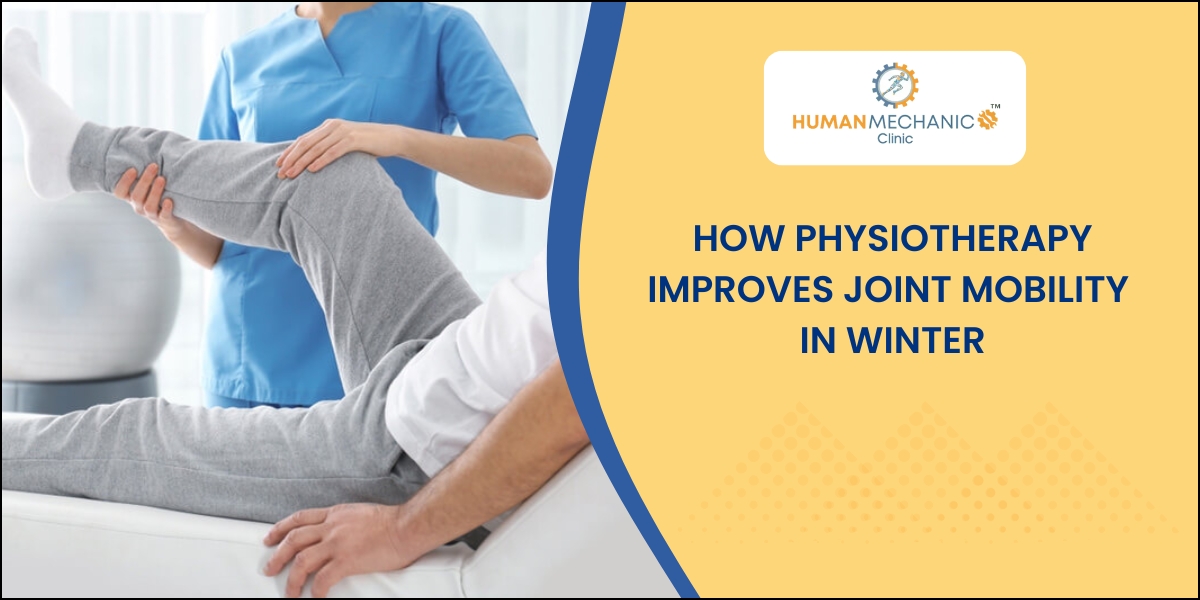
Winter Joint Care: Benefits of Physiotherapy
As temperatures drop, many individuals experience a noticeable increase in joint pain and stiffness. Cold weather can exacerbate conditions like arthritis, old injuries, and general musculoskeletal discomfort. Physiotherapy offers a proactive and effective approach to managing these winter-related aches, helping you stay active and comfortable throughout the season. This blog explores the reasons behind increased joint pain in winter and how targeted physiotherapy interventions can provide relief and improve your quality of life.
Why Does Joint Pain Worsen in Winter?
Several factors contribute to increased joint discomfort during colder months. Cold temperatures can cause muscles to contract and tighten, leading to stiffness and reduced flexibility. Barometric pressure changes can make tissues expand, putting pressure on nerves and joints. People also tend to be less active in winter, which can weaken supporting muscles and reduce joint lubrication. Additionally, conditions like arthritis are particularly sensitive to these environmental changes. Understanding this connection is the first step toward effective management.
The Role of Physiotherapy in Winter Joint Care
Physiotherapy addresses winter joint pain through a multi-faceted approach tailored to individual needs. A registered physiotherapist can:
-
Design Personalized Exercise Programs: To strengthen muscles around joints, improve flexibility, and maintain range of motion, all of which stabilize and protect joints.
-
Apply Modalities: Such as therapeutic heat, ultrasound, or TENS (Transcutaneous Electrical Nerve Stimulation) to reduce pain, ease muscle spasms, and improve circulation.
-
Provide Manual Therapy: Hands-on techniques to mobilize stiff joints, release tight muscles, and improve tissue elasticity.
-
Offer Education and Advice: On posture, ergonomics, activity modification, and home management strategies to empower you to manage your symptoms daily.
By addressing the root causes of pain and not just the symptoms, physiotherapy helps build resilience against the seasonal triggers of joint discomfort.
Key Physiotherapy Strategies for Winter
-
Thermotherapy: The application of heat packs or paraffin wax baths can be incredibly soothing. Heat helps dilate blood vessels, increasing blood flow to stiff areas, relaxing muscles, and reducing pain perception before starting exercises.
-
Indoor Exercise Regimen: A physiotherapist will create a safe, effective indoor exercise plan focusing on low-impact activities like stretching, strengthening with resistance bands, and stability exercises to keep joints mobile without undue stress.
-
Joint Protection Techniques: Learning proper body mechanics for daily tasks (like getting out of a car or walking on slippery surfaces) can prevent flare-ups and protect vulnerable joints.
-
Pain Management Education: Understanding pain cycles and learning pacing strategies helps you stay active within comfortable limits, preventing the “boom-and-bust” cycle of overactivity followed by prolonged rest.
Tips to Stay Ahead of the Pain
-
Stay Warm: Dress in layers, use heated blankets, and keep your living space comfortably warm. Warm baths or showers in the morning can help loosen stiff joints.
-
Keep Moving: Avoid prolonged sitting or inactivity. Set reminders to get up, stretch, and walk around throughout the day.
-
Stay Hydrated: Drinking enough water is crucial for maintaining the health of cartilage and synovial fluid, which cushions joints.
-
Listen to Your Body: Adjust your activities based on your pain levels, but try to maintain gentle movement.
-
Plan Ahead: If you have a history of winter aches, consider starting physiotherapy in the late autumn to build strength and resilience before the coldest weather sets in.
Winter joint pain doesn’t have to be an inevitable burden. With the guidance of a skilled physiotherapist, you can develop a personalized plan to manage stiffness, reduce pain, and maintain your activity levels all season long. By focusing on movement, strength, and smart management strategies, physiotherapy empowers you to take control of your musculoskeletal health and enjoy the winter months with greater comfort and confidence.
Human Mechanic Clinic – Best Physiotherapy Center in Pune
Seeking expert care to combat winter joint pain, Human Mechanic Clinic stands out as a premier physiotherapy center in Pune. Our team of highly skilled physiotherapists specializes in creating evidence-based, personalized treatment plans that address the root cause of pain, not just the symptoms. Utilizing advanced techniques like manual therapy, customized exercise programming, and modern electro-physiotherapy modalities, the clinic is dedicated to helping patients restore function, improve mobility, and manage pain effectively throughout the winter season and beyond. With a strong focus on patient education and holistic recovery, Human Mechanic Clinic is committed to being your trusted partner in achieving lasting musculoskeletal health and an active lifestyle.
Frequently Asked Questions
1. Why do my joints hurt more in winter?
Cold weather can cause muscles and tissues to tighten and contract, leading to stiffness. Changes in barometric pressure may also expand tissues, increasing pressure on joints and nerves, especially for those with arthritis.
2. Can physiotherapy help with arthritis pain in cold weather?
Yes. Physiotherapy helps arthritis pain by prescribing exercises to strengthen supporting muscles, using manual therapy to improve joint mobility, and applying heat or other modalities to reduce stiffness and pain during winter.
3. What are the best exercises for joint pain in winter?
Low-impact indoor exercises are best, such as stretching, swimming in a heated pool, walking indoors, and specific strengthening exercises (like leg lifts or gentle yoga) prescribed by a physiotherapist to maintain mobility without strain.
4. How can I prevent knee pain in winter?
Keep your knees warm with thermal wear, maintain a regular routine of strengthening exercises for your thighs and calves, avoid sudden intense activity on cold joints, and warm up thoroughly before any physical activity.
5. Does heat or cold therapy work better for winter joint pain?
For chronic stiffness and arthritis pain exacerbated by cold, heat therapy (warm packs, baths) is generally better as it relaxes muscles and improves circulation. Use cold therapy (ice packs) for acute inflammation or new injuries. A physiotherapist can advise the best approach.