
Ways to Prevent Injuries While Playing Sports

Sports injuries: Physiotherapy Strategies for Athletes Engaging in sports is an excellent way to maintain physical fitness, enhance coordination, and build teamwork skills. However, it also comes with the risk of injuries. As a physiotherapist, preventing these injuries is crucial to ensuring athletes can perform at their best and enjoy their activities without setbacks. Here are some key strategies to prevent sports injuries from a physiotherapy perspective. Preventing Sports Injuries: Physiotherapy Strategies for Athletes Proper Warm-Up and Cool-Down One of the simplest yet most effective ways to prevent injuries is to incorporate proper warm-up and cool-down routines. A warm-up should include dynamic stretches and movements that gradually increase heart rate and prepare the muscles for more intense activity. This helps improve blood flow, flexibility, and range of motion. Cooling down with static stretches after exercise aids in recovery and reduces muscle stiffness. Strength Training Strength training is essential for building muscle resilience and stability around joints, which can help prevent injuries. Focus on a balanced strength training regimen that includes exercises for all major muscle groups, ensuring that no single area is neglected. This helps in maintaining proper body mechanics and reducing the strain on weaker muscles. Proper Technique and Form Using the correct technique and form is crucial in any sport. Athletes should receive proper training to learn the right techniques for their specific sport. Poor form can lead to overuse injuries, strains, and even more serious conditions. Regular check-ins with coaches and physiotherapists can help correct any deviations in technique. Flexibility and Mobility Exercises Incorporating flexibility and mobility exercises into the training routine helps maintain the elasticity of muscles and the range of motion of joints. Activities like yoga, Pilates, and dedicated stretching routines can significantly reduce the risk of injuries like strains and sprains. Adequate Rest and Recovery Rest and recovery are just as important as training. Overtraining can lead to fatigue and increase the risk of injuries. Ensuring athletes get adequate sleep, nutrition, and rest days helps in muscle repair and overall physical and mental health. Listening to the body and recognizing signs of overuse or fatigue is vital. Use of Proper Equipment Using the right equipment, whether it’s footwear, protective gear, or playing surfaces, can significantly reduce the risk of injuries. Ensure that equipment is in good condition and suitable for the athlete’s size, strength, and sport-specific needs. Hydration and Nutrition Proper hydration and nutrition play a crucial role in maintaining muscle function and overall physical performance. Dehydration and poor nutrition can lead to muscle cramps, fatigue, and decreased coordination, increasing the risk of injuries. Athletes should stay hydrated and follow a balanced diet rich in essential nutrients. Gradual Progression Progressing training intensity and duration gradually helps the body adapt without being overwhelmed. Sudden increases in activity levels can lead to overuse injuries. A structured training program that allows for gradual improvement in strength, endurance, and skill can prevent such injuries. Regular Physiotherapy Assessments Regular assessments by a physiotherapist can help identify any potential issues before they develop into significant problems. Physiotherapists can provide personalized exercises, techniques, and advice tailored to an individual’s specific needs and sport. Education and Awareness Educating athletes, coaches, and parents about the risks of injuries and the importance of prevention strategies is crucial. Awareness programs and workshops can equip them with the knowledge to recognize early signs of injury and take proactive steps to address them. If you are an athlete suffering from any injuries and looking for the best sport injury treatment in Pune, visit Human Mechanic Clinic With locations in Koregaon Park and Hadapsar, the clinic offers specialized sports injury treatment designed to ensure a speedy and effective recovery. Blog Written By Dr. Pooja Pawar – Consultant Physiotherapist at Human Mechanic Clinic Hadapsar, Pune.
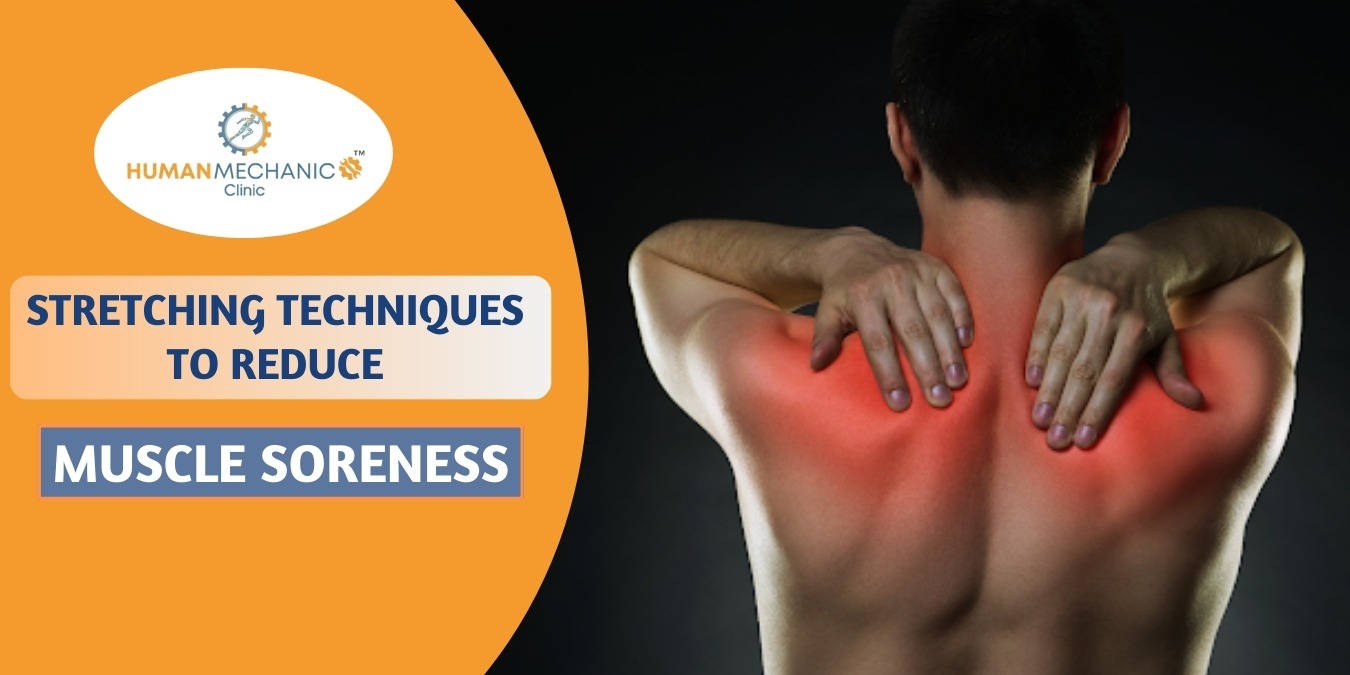

Stretching Techniques to Reduce Muscle Soreness
Best Stretching Techniques to Reduce Muscle Soreness

Best Stretching Techniques to Reduce Muscle Soreness Muscle soreness or pain after exercise or activity, also known as delayed onset muscle soreness (DOMS), typically occurs 24-48 hours after intense physical activity. It is caused by microscopic damage to muscle fibers during exercise, particularly when the muscles are doing eccentric (lengthening) contractions. Here are some stretching exercises that can help in managing muscle soreness without any medication. Stretching can be very effective in relieving muscle soreness. Here are some of the best stretches you can try: Quadriceps Stretch: Stand on one leg, grab the ankle of the other leg, and pull your heel towards your buttocks. Hold onto something for balance if needed. Hamstring Stretch: Sit on the floor with one leg extended and the other bent so that the sole of your foot rests against your inner thigh. Lean forward from your hips toward your extended leg, keeping your back straight. Calf Stretch: Stand facing a wall with one foot in front of the other, front knee slightly bent. Keep your back leg straight and heel on the ground, then lean forward until you feel a stretch in your calf. Hip Flexor Stretch: Kneel on one knee, with the other foot in front, forming a 90-degree angle. Lean forward into the stretch, keeping your back straight. Lower Back Stretch: Lie on your back and pull one knee towards your chest, holding it with both hands. Repeat with the other leg. Shoulder Stretch: Bring one arm across your body and gently push it towards your chest with your other arm. Hold the stretch and then switch arms. Neck Stretch: Slowly tilt your head to one side, bringing your ear towards your shoulder, and hold Repeat on the other side. When stretching, it’s important to do it gently and slowly, and hold each stretch for about 20 seconds seconds without bouncing. Stretching helps improve blood flow to the muscles, which can aid in reducing soreness. A physiotherapist is the best person who can guide you with proper, effective and specific stretches. To learn more regarding muscle pain after exercise and it’s management shedule an appointment at Human Mechanic Clinic. Blog Written By Dr. Nishant Kawade – Consultant Physiotherapist at Human Mechanic Clinic Hadapsar, Pune FAQS What is delayed onset muscle soreness (DOMS)? Delayed onset muscle soreness (DOMS) is muscle pain or stiffness that occurs 24-48 hours after intense physical activity. It is caused by microscopic damage to muscle fibers, particularly during eccentric (lengthening) contractions. How can stretching help with muscle soreness? Stretching improves blood flow to the muscles, which can aid in reducing soreness and speeding up recovery. Gentle and slow stretching can alleviate muscle tension and promote flexibility. What are some effective stretches for relieving muscle soreness? Effective stretches include the quadriceps stretch, hamstring stretch, calf stretch, hip flexor stretch, lower back stretch, shoulder stretch, and neck stretch. Each stretch should be held for about 20 seconds without bouncing. When should I seek professional help for muscle soreness? If muscle soreness persists for more than a few days, is severe, or is accompanied by swelling, redness, or loss of function, it’s advisable to seek help from a physiotherapist or healthcare professional. They can provide specific stretches and treatments tailored to your needs.

Tips to recover Muscle Fast
Tips For Speeding Up Muscle Recovery

Tips to help speed up your muscle recovery Muscle recovery is vital to maintaining optimal physical function and preventing injuries. Physiotherapy offers various techniques and strategies to accelerate the healing process. Here are some expert tips from the field of physiotherapy to help speed up muscle recovery: Active Recovery Gentle Exercises – Engaging in light physical activities such as walking, swimming, or cycling helps maintain blood flow without straining muscles. This promotes the delivery of nutrients to the affected area and speeds up the removal of waste products. Stretching – Incorporate dynamic stretching before workouts and static stretching afterward. Stretching helps reduce muscle stiffness, improve flexibility, and prevent future injuries. Manual Therapy Massage Therapy – A physiotherapist can use techniques like deep tissue massage to relieve muscle tension, improve circulation, and reduce soreness. Regular massage sessions can significantly enhance muscle recovery.  Myofascial Release – This hands-on technique involves applying gentle, sustained pressure to the myofascial connective tissues to eliminate pain and restore motion. It can be highly effective for addressing muscle tightness and promoting recovery. Cryotherapy and Thermotherapy Cold Therapy – Applying ice packs or cold compresses to the affected muscles can reduce inflammation and numb pain. Ice baths or cryotherapy sessions can also be beneficial, especially immediately after intense exercise. Heat Therapy – Heat application can relax tight muscles, increase blood flow, and alleviate pain. Use heating pads, warm baths, or warm compresses a few hours after exercise to aid muscle relaxation and recovery. Electrotherapy TENS (Transcutaneous Electrical Nerve Stimulation) – TENS units deliver small electrical impulses to the affected area, helping to reduce pain and muscle spasms. EMS (Electrical Muscle Stimulation) – EMS uses electrical impulses to stimulate muscle contractions, improving muscle strength and recovery, especially in cases of muscle atrophy or after surgery. Hydrotherapy Contrast Baths – Alternating between hot and cold water baths can enhance circulation and reduce muscle soreness. The hot water dilates blood vessels, while the cold water constricts them, creating a pumping action that helps remove waste products from the muscles. Aquatic Exercises – Performing exercises in a pool can reduce the load on your muscles and joints while providing resistance to aid in muscle recovery and strengthening. Exercise Prescription Tailored Exercise Programs: A physiotherapist can design a personalized exercise program that targets specific muscle groups and promotes balanced muscle development. These programs can include strengthening, stretching, and aerobic exercises to enhance overall recovery. Progressive Loading – Gradually increasing the intensity and volume of exercises helps muscles adapt and recover more efficiently. Avoid sudden increases in workload to prevent overuse injuries. Posture and Ergonomics Ergonomic Adjustments – Proper ergonomics at work and home can prevent muscle strain and promote recovery. Adjust your workstation, use supportive furniture, and practice good posture to reduce muscle stress. Postural Training – A physiotherapist can teach you exercises and techniques to improve your posture, reducing the risk of muscle imbalances and facilitating faster recovery. Nutritional Support Balanced Diet – Ensure your diet includes adequate protein, healthy fats, and complex carbohydrates to support muscle repair and energy replenishment. Hydration – Stay well-hydrated to aid in nutrient transport and waste removal from muscles. Education and Self-Management Patient Education – Understanding the importance of rest, proper technique, and gradual progression is crucial. A physiotherapist can provide education on injury prevention, proper exercise techniques, and the importance of listening to your body. Self-Massage and Foam Rolling – Learn techniques for self-massage and foam rolling to manage muscle tightness and enhance recovery at home. Maximize Muscle Recovery with Expert Physiotherapy Tips from Human Mechanic Clinic Implementing these physiotherapy tips can significantly accelerate muscle recovery, allowing you to maintain optimal physical function and prevent future injuries. Consult with a physiotherapist at Human Mechanic Clinic to develop a personalized recovery plan tailored to your specific needs and goals. Blog Written By Dr. Palak Agrawal – Consultant Physiotherapist At Human Mechanic Clinic, Pune.

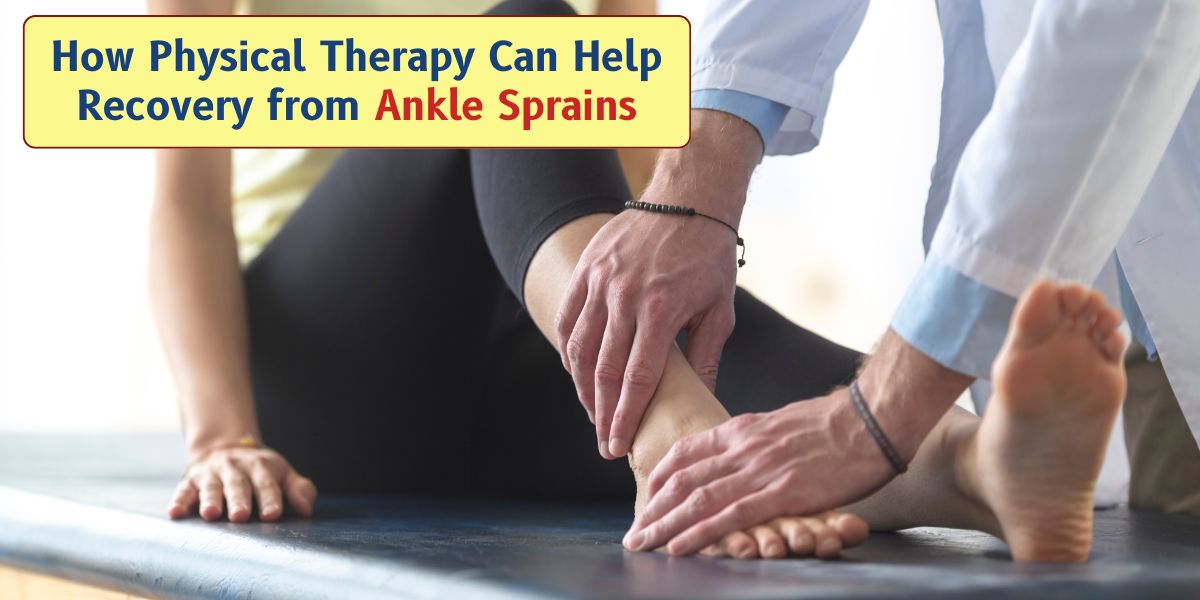
How Physical Therapy Can Help Recovery from Ankle Sprains
How Physiotherapy Can Aid in Ankle Sprain Recovery

How physiotherapy can help ankle sprain recovery? Ankle sprains are among the most common injuries, affecting people of all ages and activity levels. Whether it’s a minor twist or a more severe sprain, proper treatment and rehabilitation are essential for full recovery. While rest, ice, compression, and elevation (RICE) are initial steps, physiotherapy plays a crucial role in restoring strength, mobility, and function to the injured ankle. Understanding Ankle Sprains Ankle sprains occur when the ligaments that support the ankle stretch or tear, often due to sudden twisting or rolling of the foot. This can lead to pain, swelling, bruising, and difficulty walking or bearing weight on the affected ankle. The Role of Physiotherapy Physiotherapy is a cornerstone of ankle sprain rehabilitation, focusing on restoring normal function and preventing future injuries. If you are in Pune and Looking for the best physiotherapy Clinic in Hadapsar. Visit Human Mechanic Clinic 1. Pain Management Physiotherapists employ various techniques such as manual therapy, Tecar Therapy or electrical stimulation to alleviate pain and reduce inflammation around the injured ankle. 2. Restoring Range of Motion  Ankle sprains can limit the joint’s range of motion. Physiotherapy involves gentle stretching exercises and joint mobilization techniques to restore flexibility and mobility to the ankle. 3. Strengthening Exercises Weakness in the muscles surrounding the ankle is common after a sprain. Physiotherapists design specific exercises targeting the muscles of the ankle, calf, and foot to rebuild strength and stability. 4. Balance and Proprioception Training Ankle sprains can impair proprioception, the body’s sense of its position in space. Physiotherapy includes balance exercises on unstable surfaces to improve proprioception and reduce the risk of re-injury. 5. Functional Rehabilitation Physiotherapists work with patients to simulate real-life activities and sports-specific movements, gradually reintroducing them to normal activities while monitoring for any signs of pain or instability. 6. Bracing and Support In some cases, ankle braces or supports may be recommended to provide additional stability during the healing process and prevent re-injury. 7. Education and Prevention Physiotherapists educate patients about proper footwear, injury prevention strategies, and techniques to avoid future ankle sprains. They also provide guidance on gradual return to activity to minimize the risk of recurrence. The Importance of Patience and Compliance Recovering from an ankle sprain takes time and commitment. Patients must be patient and diligent in following their physiotherapy program, which may include regular exercises, home care routines, and scheduled appointments with the physiotherapist. Physiotherapy plays a vital role in the comprehensive management of ankle sprains, facilitating a safe and effective return to normal function and activities. Physiotherapy empowers individuals to regain confidence in their ankle and reduce the likelihood of future injuries by addressing pain, restoring mobility, building strength, and enhancing proprioception. If you’ve recently experienced an ankle sprain, consult with a physiotherapist at Human Mechanic Clinic to develop a personalized rehabilitation plan. Blog written by Dr. Radhika Tambe – Consultant Physiotherapist at Human Mechanic Clinic.

Regain Mobility
Restoring Mobility Tips for a Healthier, Active Life

Restoring mobility Tips for a healthier, more active life Regaining mobility after an injury, surgery, or extended period of inactivity can be a challenging yet rewarding journey. Whether you’re recovering from a sports injury or seeking to improve your overall mobility Visit to Human Mechanic Clinic at Hadapsar Or Koregaon Park for a better quality of life, At our clinic there are several effective strategies you can incorporate into your routine. In this blog post, we’ll explore various tips and techniques to help you restoring mobility and achieve a healthier, more active lifestyle. Consult with a Healthcare Professional: Before embarking on any mobility restoration journey, it’s crucial to consult with a healthcare professional, such as a physiotherapist or orthopedic specialist. They can assess your current mobility status, identify any underlying issues, and create a personalized plan tailored to your needs. If you are looking for physiotherapy Clinic in Hadapsar to restore your joint mobility then visit to Human Mechanic Clinic. Set Realistic Goals: Setting realistic and achievable goals is key to staying motivated and tracking your progress. Whether your goal is to walk without assistance, regain flexibility, or improve balance, breaking it down into smaller milestones can make the process more manageable. Incorporate Physical Therapy: Physical therapy is a cornerstone of mobility restoration. A qualified physical therapist can guide you through exercises and stretches specifically designed to improve strength, flexibility, and range of motion. Consistency and dedication to your physical therapy regimen are essential for optimal results. Focus on Strength Training: Building strength in muscles that support mobility is crucial. Incorporate strength training exercises targeting the legs, core, and upper body into your routine. Start with light weights or resistance bands and gradually increase intensity as you progress. Prioritize Flexibility and Stretching: Flexibility plays a significant role in improving mobility and preventing injuries. Incorporate regular stretching sessions into your routine, focusing on major muscle groups and joints. Yoga and Pilates can also be beneficial for improving flexibility and balance. Practice Balance Exercises: Balance is essential for mobility and preventing falls, especially in older adults. Include balance exercises such as standing on one leg, heel-to-toe walks, and using balance boards or stability balls in your workouts. Maintain a Healthy Diet: A nutritious diet plays a vital role in overall health and mobility. Ensure you’re consuming a balanced diet rich in fruits, vegetables, lean proteins, and whole grains. Adequate hydration is also crucial for joint health and mobility. Use Assistive Devices as Needed: Depending on your mobility level, using assistive devices such as canes, walkers, or braces may be beneficial. These tools can provide support and stability as you work on improving your mobility independently. Stay Consistent and Patient: Restoring mobility is a gradual process that requires consistency, patience, and perseverance. Celebrate small victories along the way, stay committed to your rehabilitation plan, and don’t get discouraged by setbacks. Conclusion: Restoring mobility is achievable with dedication, proper guidance, and a proactive approach to your health. By incorporating the tips mentioned above into your routine and working closely with healthcare professionals, you can enhance your mobility, regain independence, and enjoy a more active lifestyle. Remember, every step forward, no matter how small, brings you closer to your mobility goals. Blog written By Dr. Palak Agrawal – Consultant Physiotherapist at Human Mechanic Clinic, Pune.