Joint pain and stiffness
Tips To Reduce Joint Pain And Stiffness

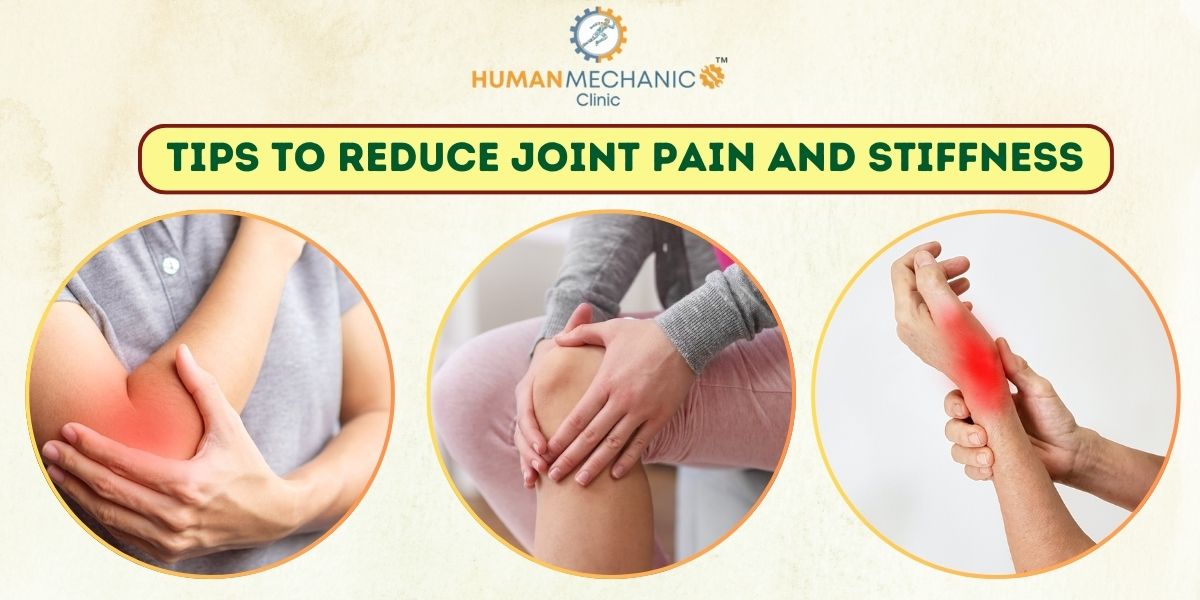
Tips for joint pain and stiffness reduction Joint pain and stiffness often go hand in hand, creating discomfort and limiting mobility for those affected. Joint pain refers to discomfort, soreness, or aching sensations in the joints, which can range from mild to severe and may be accompanied by swelling, redness, or warmth in the affected area. On the other hand, joint stiffness involves a sensation of reduced flexibility and ease of movement in the joints, often making it difficult to bend or straighten them fully. Causes of Joint pain and stiffness 1. Arthritis – This umbrella term encompasses conditions like osteoarthritis, rheumatoid arthritis, and gout. 2. Trauma – such as sprains, strains, or fractures. 3. Overuse – Repetitive movements or excessive stress on the joints, commonly seen in athletes or individuals with physically demanding jobs, can cause joint pain and stiffness over time. 4. Age-related changes – As people age, the cartilage in their joints may wear down, leading to conditions like osteoarthritis, which can cause joint pain and stiffness. 5. Autoimmune disorders – These can cause the immune system to mistakenly attack the joints, resulting in inflammation, pain, and stiffness. Management of joint pain and stiffness 1. Medications – Over-the-counter pain relievers, such as acetaminophen or nonsteroidal anti-inflammatory drugs (NSAIDs), can help alleviate pain and reduce inflammation. 2. Physical therapy – Stretching and strengthening exercises prescribed by a physical therapist can improve joint flexibility, strengthen supporting muscles, and reduce pain. 3. Lifestyle changes – Maintaining a healthy weight, avoiding repetitive movements that exacerbate pain, and using ergonomic aids or braces can help alleviate joint stress and discomfort. Here are some tips to help reduce both joint pain and stiffness: 1. Regular Exercise – Engage in low-impact exercises such as swimming, cycling, or walking to improve joint flexibility, strengthen muscles, and reduce stiffness. Aim for at least 30 minutes of moderate exercise most days of the week. 2. Stretching – Incorporate gentle stretching exercises into your daily routine to improve joint flexibility and reduce stiffness. Focus on stretching the muscles around the affected joints. 3. Maintain a Healthy Weight – Excess weight can put added strain on your joints, exacerbating pain and stiffness. Maintain a healthy weight through a balanced diet and regular exercise to alleviate pressure on your joints. 4. Use Proper Body Mechanics – Practice good posture and body mechanics when performing daily activities to minimize strain on your joints. Lift with your legs, not your back, and avoid repetitive motions that can worsen joint pain and stiffness. 5. Apply Heat or Cold Therapy – Use heat packs, warm towels, or heating pads to relax stiff muscles and joints, especially before engaging in physical activity. Cold therapy, such as ice packs or cold compresses, can help reduce inflammation and numb pain after exercise or during flare-ups. 6. Stay Hydrated – Drink plenty of water throughout the day to keep your joints lubricated and prevent dehydration, which can exacerbate joint pain and stiffness. 7. Maintain Joint Health – Consume a balanced diet rich in anti-inflammatory foods such as fatty fish, fruits, vegetables, nuts, and seeds to support joint health and reduce inflammation. 8. Consider Supplements – Certain supplements, such as glucosamine, chondroitin, omega-3 fatty acids, and turmeric, may help reduce joint pain and stiffness. Consult with a healthcare professional before starting any new supplements to ensure they’re safe and appropriate for you. 9. Manage Stress – Stress can exacerbate pain and stiffness in the joints. Practice relaxation techniques such as deep breathing, meditation, yoga, or tai chi to reduce stress levels and promote overall well-being. By incorporating these tips into your daily routine, you can help reduce joint pain and stiffness and improve your overall quality of life. Consult with a Healthcare Professional If you are dealing with persistent or severe joint pain and stiffness, seek guidance from a healthcare professional for a precise diagnosis and personalized treatment plan at Human Mechanic Clinic. Our experts can recommend appropriate medications, physical therapy, or other interventions to effectively alleviate your symptoms. Blog Written By Dr. Nishant Kawade – Consultant Physiotherapist At Human Mechanic Clinic Hadapsar, Pune  

Before consulting a physiotherapist, do I need a referral?
Do I Need Referral Before Consulting a Physiotherapist?

Do I need a referral before seeing a physiotherapist? When it comes to managing pain, recovering from injury, or improving mobility, physiotherapy is often a go-to solution. However, many individuals are uncertain about whether they need a referral before consulting a physiotherapist. Let’s delve into this topic to shed some light on the matter. Understanding Physiotherapy Physiotherapy, also known as physical therapy, is a healthcare profession that focuses on restoring movement and function to individuals affected by injury, illness, or disability. Physiotherapists utilize various techniques such as exercise, manual therapy, and education to help patients achieve their rehabilitation goals. If you are looking for physiotherapy treatment in hadapsar. Reach out to Human Mechanic Clinic. The Referral Conundrum The need for a referral to see a physiotherapist depends on several factors, including your location, health insurance coverage, and the specific requirements of your healthcare provider. In some cases, a referral may be necessary, while in others, you can directly access physiotherapy services without one. This referral serves as a means of ensuring that patients receive appropriate care based on medical needs. Benefits of Direct Access Direct access to physiotherapy offers several advantages, including: 1) Timely Intervention – By bypassing the need for a referral, individuals can seek treatment promptly, potentially accelerating their recovery process. 2) Convenience – Direct access allows patients to schedule appointments at their convenience, without waiting for a referral from another healthcare provider. 3) Patient Empowerment – It empowers individuals to take control of their health and well-being by proactively seeking the care they need. When a Referral May Be Necessary While direct access to physiotherapy is beneficial in many cases, there are instances where a referral may still be required: Complex Cases – Patients with complex medical conditions ( e.g AVN Hip, full thickness tear of any ligaments, some surgical requirements, sports rehabilitation) or those requiring specialized interventions may need a referral  Conclusion In conclusion, the need for a referral before consulting a physiotherapist varies depending on factors such as your location, healthcare system, and insurance coverage. While direct access offers convenience and timely intervention for many individuals, it’s essential to understand the requirements of your specific situation and consult with healthcare professionals. Ultimately, the goal of physiotherapy is to help you achieve optimal physical function and well-being, whether through direct access or referral-based care. Remember, prioritizing your health and seeking timely intervention can make a significant difference in your rehabilitation journey. Whether you require a referral or not, don’t hesitate to reach out to a qualified physiotherapist. If you are experiencing pain, mobility issues, or any other musculoskeletal concerns. Visit to Human Mechanic Clinic in Hadapsar and Koregaon Park, Pune. Your journey to recovery starts with taking the first step towards seeking professional assistance. Blog Written By Dr. Shruti Kakad – Consultant Physiotherapist at Human Mechanic Clinic, Pune

Physiotherapy techniques - Matrix Therapy, Shockwave therapy, Laser Therapy
Advanced Technologies in Physiotherapy

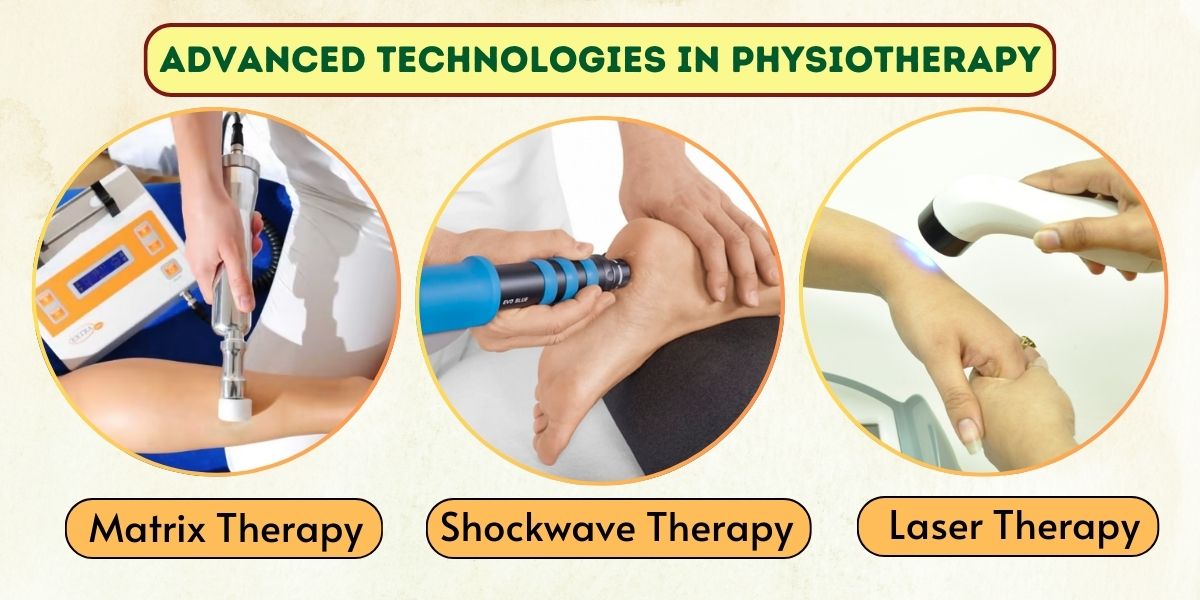
Advanced technologies in the physiotherapy field Physical therapy or Physiotherapy addresses the illnesses or injuries that limit a person’s abilities to move and perform functional activities in their day-to-day lives. Physiotherapists use an individual’s history and physical examination to arrive at a diagnosis and establish a management plan which includes prescription of or assistance with specific exercises, manual therapy, and manipulations. Also, mechanical devices play a vital role in giving fast healing and relief in Physiotherapy interventions. If you are looking for physiotherapy treatment in koregaon park. Visit Human Mechanic Clinic. Role of Exercise therapy Exercise therapy is best defined as a treatment plan of physical activities through gait training, neuro reeducation, and therapeutic activities. This exercise regime is designed and prescribed to assist patients in recovering from diseases and conditions that interfere with their movement, daily activities, or maintaining a state of well-being. Although exercise therapy can be challenging, the benefits are worth it! Role of Mechanical Therapy in Physiotherapy These are the specialized devices designed to deliver customized levels of electrical stimulation to your body’s nerves, muscles, or tendons, trained physiotherapists can harness the power of electrotherapy to treat injuries, promote healing, and offer pain relief. It offers several key benefits: 1. Reduce nerve pain. 2. Promote healing of musculoskeletal injuries. 3. Have a non-invasive, drug-free pain control. 4. Prevent muscle atrophy. 5. Increase circulation for wound repair. 6. Have minimal to no side effects. 7. Faster  healing The advanced technologies include ShockWave Therapy – Shockwave therapy is a non-invasive treatment that uses shock waves to stimulate healing in soft tissues. It is often used to treat chronic pain conditions, such as tendonitis, plantar fasciitis, and tennis elbow. Matrix Therapy – Matrix therapy is a form of manual therapy that uses pressure and friction to release tension in the fascia, the connective tissue that surrounds muscles, organs, and other structures in the body. It is often used to treat pain, stiffness, and movement dysfunction. LASER Therapy – LASER therapy stands for low-level laser therapy. It is a type of therapy that uses low-level lasers to promote healing and reduce pain. It is often used to treat a variety of conditions, such as arthritis, wounds, and sports injuries. Tissue Magnetic Stimulation – Tissue magnetic stimulation (TMS) is a therapy that uses magnetic fields to stimulate the nerves and muscles. It is often used to treat pain, nerve damage, and depression. Decompression Unit – Decompression therapy is a type of therapy that involves stretching the spine to relieve pressure on the spinal discs. It is often used to treat conditions such as herniated discs, spinal stenosis, and sciatica. Conclusion Physiotherapy is found to create wonders when the collaboration of both exercises and mechanical therapies takes place. Earlier Physiotherapy was considered to be a treatment program showing slow but good recovery but now with all the advanced technology and techniques it does wonders very quickly. So to experience a fast recovery and healing do contact Human Mechanic Clinic. Blog written By Dr. Shaikh Ali. H. Gawandi – Head of Department and consultant Physiotherapist at Human Mechanic Clinic Pune.

frozen shoulder
Can Frozen Shoulder be Cured by Physiotherapy?

Can Frozen Shoulder be Cured by Physiotherapy? Physiotherapy is often effective in treating frozen shoulders by improving range of motion and reducing pain. However, the extent of improvement varies among individuals, and full recovery may take time. Consult with Human Mechanic Clinic for personalized advice based on your specific condition. Frozen shoulder, clinically known as adhesive capsulitis, is a condition characterized by pain and stiffness in the shoulder joint. While it can be a challenging and uncomfortable experience, the good news is that physiotherapy can play a pivotal role in the treatment and recovery process. Understanding Frozen Shoulder Before delving into the role of physiotherapy, let’s briefly understand what a frozen shoulder entails. This condition typically progresses through three stages: 1. Pain Stage – Initial discomfort and pain in the shoulder, especially during movement. 2. Freezing Stage – Gradual loss of motion and increased stiffness. 3. Thawing Stage – Improvement in range of motion, though this can take a significant amount of time. How Physiotherapy Helps 1. Pain Management Physiotherapists employ various techniques to alleviate pain, such as gentle exercises, manual therapy, and modalities like heat or ice application. These methods aim to reduce inflammation and enhance the overall comfort of the patient. 2. Range of Motion Exercises One of the key aspects of physiotherapy for frozen shoulder is focused on improving and maintaining the range of motion. Therapists guide patients through specific exercises that target the shoulder joint, gradually helping regain flexibility. 3. Stretching and Strengthening Tailored exercises designed to stretch and strengthen the muscles surrounding the shoulder contribute to restoring function. These exercises also prevent further stiffness and promote a quicker recovery. 4. Joint Mobilization Physiotherapists use hands-on techniques to mobilize the shoulder joint. This helps in breaking down adhesions and scar tissue, facilitating improved movement. 5. Education and Home Exercises Empowering patients with knowledge about their condition and providing them with home exercises are crucial components of physiotherapy. Consistent engagement in prescribed exercises accelerates recovery. Conclusion: In conclusion, physiotherapy stands as a cornerstone in the multidisciplinary approach to treating frozen shoulders. It addresses the pain, stiffness, and limited range of motion through a combination of therapeutic techniques and exercises. If you or someone you know is grappling with a frozen shoulder, consulting a physiotherapist could be a pivotal step toward unlocking relief and regaining optimal shoulder function. Blog written by Dr. Radhika Tambe – Consultant Physiotherapist at Human Mechanic Clinic Pune.

Navigating Pain - Physiotherapy to reduce pain
Navigating Pain – Understanding When Physiotherapy is Essential

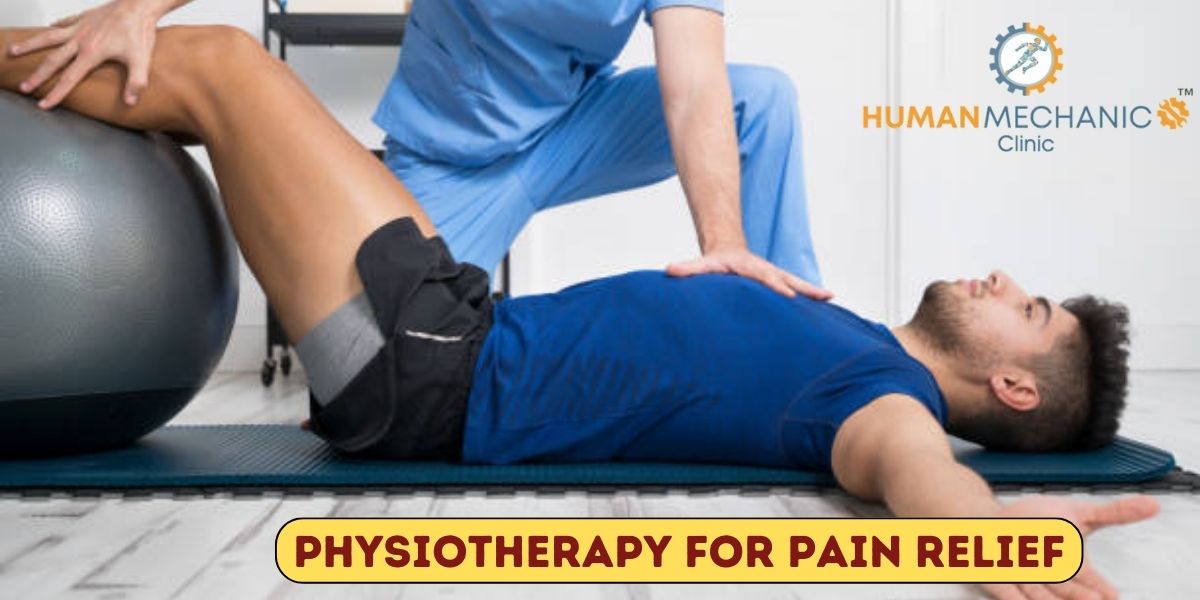
Managing pain – understanding when physiotherapy is essential In the realm of healthcare, physiotherapy stands as a versatile and effective approach to managing various conditions, especially those accompanied by pain. Contrary to common perception, physiotherapy isn’t exclusive to post-injury recovery; it plays a pivotal role in addressing a spectrum of painful conditions. This blog aims to shed light on the importance of physiotherapy in managing pain and when it becomes a crucial component of overall treatment. If you’re seeking the best physiotherapy center in Pune, Human Mechanic Clinic offers expert physiotherapists and chiropractic practice dedicated to your well-being. The Role of Physiotherapy in Pain Management Physiotherapy, often synonymous with physical therapy, goes beyond just addressing injuries. It encompasses a range of techniques designed to improve mobility, function, and overall well-being. Whether the pain is musculoskeletal, neurological, or related to chronic conditions, physiotherapy offers tailored interventions to alleviate discomfort and enhance quality of life. Identifying Painful Conditions Understanding when physiotherapy is necessary begins with recognizing painful conditions that can benefit from its intervention. Common scenarios include: a. Musculoskeletal Pain: Physiotherapy proves invaluable in addressing issues like back pain, joint pain, and muscular discomfort, providing targeted exercises and therapies. b. Rehabilitation after Surgery: Following surgical procedures, physiotherapy aids in regaining strength, flexibility, and functionality, minimizing post-operative pain. c. Chronic Pain Management: Individuals dealing with conditions like arthritis or fibromyalgia find relief through physiotherapy, which employs strategies to manage chronic pain over the long term. The Holistic Approach: Physiotherapy adopts a holistic approach to pain management, considering the interconnectedness of physical, mental, and emotional well-being. Therapists at Human Mechanic Clinic work closely with patients to develop comprehensive treatment plans that encompass exercises, manual therapy, and education on pain management techniques. Tailoring Physiotherapy to Individual Needs: Every patient’s experience of pain is unique, requiring a personalized approach. Physiotherapists at the best physiotherapy center in Pune, like Human Mechanic Clinic, assess the specific needs of each individual, designing treatment plans that address not only the symptoms but also the underlying causes of pain. This tailored approach ensures more effective and sustainable outcomes. Prevention and Maintenance: Physiotherapy extends beyond alleviating existing pain; it plays a crucial role in preventing future issues. Through targeted exercises and lifestyle modifications, patients can build strength, flexibility, and resilience, reducing the likelihood of recurrent pain. Conclusion: Physiotherapy’s significance in managing painful conditions cannot be overstated. It offers a multifaceted approach that not only addresses existing pain but also empowers individuals to take control of their well-being. Whether recovering from an injury, managing chronic conditions, or aiming for preventive care, physiotherapy proves to be an indispensable ally in the journey towards a pain-free and active life. If you’re in Pune, consider reaching out to the expert physiotherapists at Human Mechanic Clinic for personalized care. Blog written by Dr. Amisha Mishra – Consultant physical therapist at Human Mechanic Clinic Pune.